

The gut microbiome is the diverse community of microorganisms—bacteria, fungi, parasites, and more—that reside in the digestive tract. Growing research highlights the essential role this microbial ecosystem plays in human health, influencing everything from immune function and inflammation to mental health and neurological well-being. An imbalance in the gut microbiota, known as dysbiosis, has been associated with a range of health issues, including PD. Building on prior research that suggests a balanced microbiome may help alleviate motor and non-motor symptoms and improve overall quality of life, the lab investigates the underlying mechanisms connecting gut health and neurological function.
Our lab focuses on understanding how gut composition affects PD symptom development, disease progression, and the influence of therapies such as deep brain stimulation (DBS) in individuals with PD. By exploring the gut-brain connection in PD, we aim to identify new therapeutic targets and strategies that could support recovery and enhance the well-being of those living with PD.
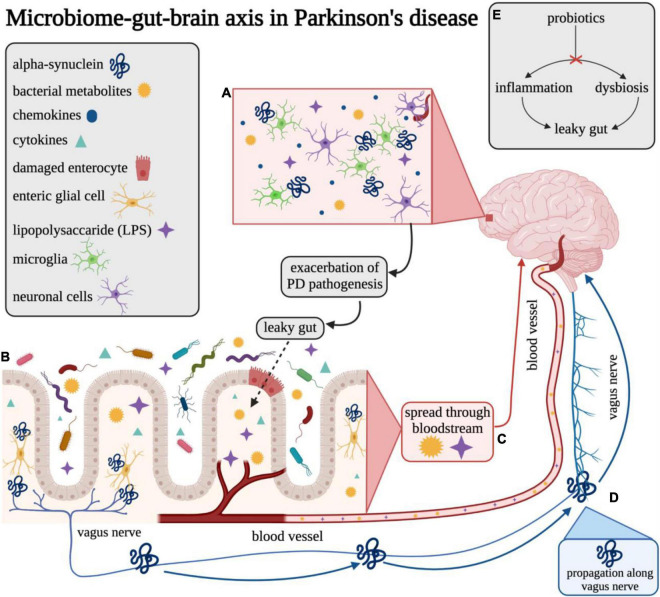
The diagram highlights the roles of various cells and molecules, including damaged enterocytes, enteric glial cells, microglia, and alpha-synuclein, in this pathway.
Publications about the gut microbiome are listed here: